Malawi's electricity crisis has deepened, with consumers being warned to expect continued and potentially worsening blackouts following significant losses in electricity-generation capacity.
The Electricity Supply Corporation of Malawi (ESCOM) reported that the country currently has about 347MW of available generation capacity, while demand can reach approximately 430MW during peak periods. This leaves the national system
with a substantial supply deficit.
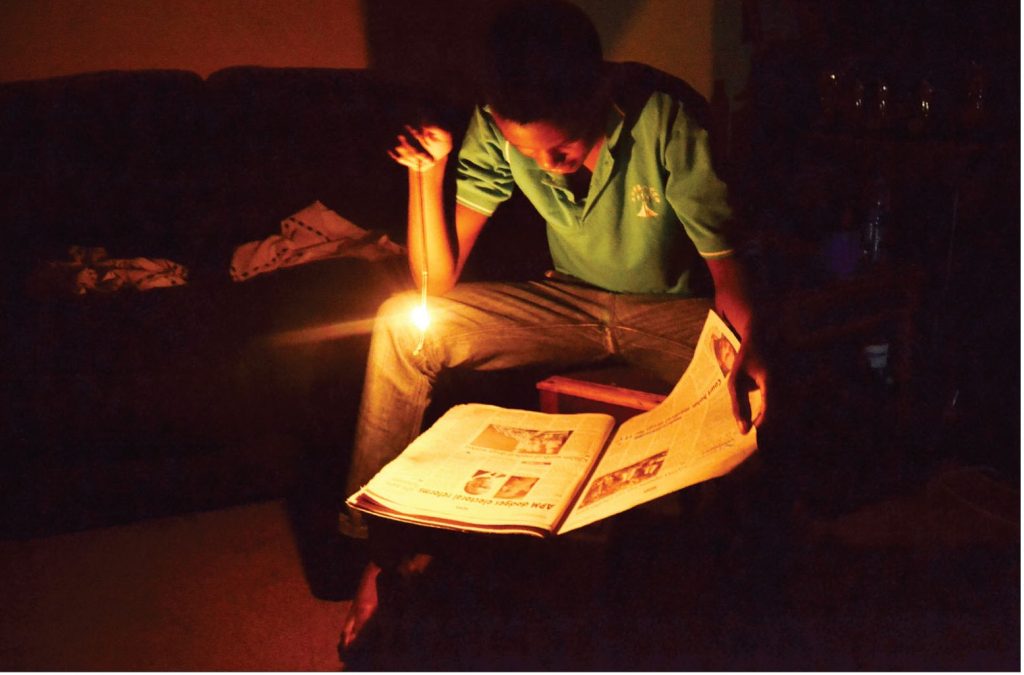
The situation becomes particularly difficult during the evening peak, when the electricity shortfall can reach approximately 83MW. As a result, households, businesses and other electricity users are likely to experience continued load shedding.
Nkula B Unit 6 failure
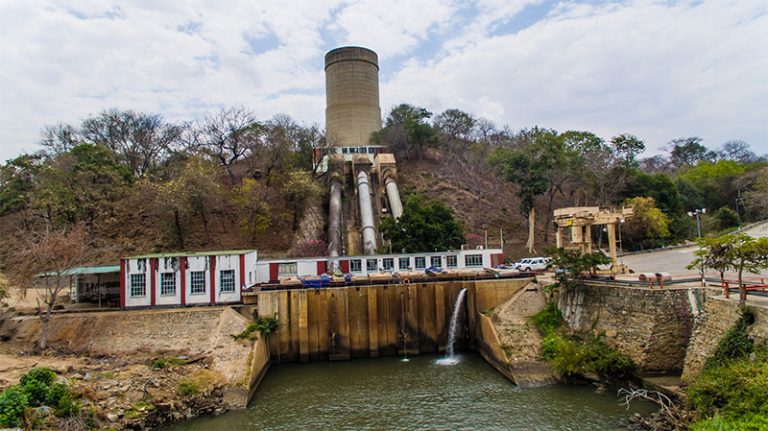
One of the major problems is at Nkula B Hydropower Station, where Unit 6 suffered a major failure on 7 August 2026.
The affected unit normally contributes approximately 20MW to the national grid. Its failure therefore immediately removed 20MW from an electricity system already operating below demand.
The damage is significant enough that critical components must be dismantled and transported to South Africa for specialised reconditioning.
According to ESCOM, the unit is not expected to return to service until early October 2026. This means Malawi could continue experiencing pressure on electricity supplies for several more weeks.
Problems at Nkula A
Nkula B is not the only facility experiencing difficulties.
At Nkula A, generation has also been restricted because of worn-out shaft seals. This has resulted in an additional estimated 11.1MW shortfall.
Replacement parts are expected toward the end of August, with repairs targeted for completion by mid-September 2026.
The simultaneous problems at Nkula A and Nkula B are placing additional pressure on Malawi's already constrained electricity system.
Solar generation also affected
The power shortage has also complicated the integration of the recently commissioned 10MW Egenco Solar PV facility.
ESCOM indicated that the loss of Nkula B has indirectly affected the stable integration of the solar facility, contributing to the difficulties being experienced by electricity consumers.
Earlier in August, ESCOM had also introduced emergency load shedding after solar generation from independent power producers fell sharply because of weather conditions, demonstrating how dependent Malawi's electricity supply remains on several different generation sources.
Malawi's wider electricity challenge
The latest failures highlight a much larger problem: electricity demand is growing faster than reliable generation capacity.
Egenco spokesperson Moses Gwaza has said Malawi needs an accelerated approach to developing additional generation capacity to meet both current and future demand. He has also argued for dedicated financing mechanisms to support new power-generation projects.
According to ESCOM data cited by Nation Online, Malawi has 564.2MW of installed generation capacity, comprising approximately:
401.8MW hydro
51.4MW diesel
111MW solar
However, installed capacity does not mean that all of that capacity is available at any given moment. Equipment failures, maintenance requirements and other operational constraints can substantially reduce actual generation.
Low electricity access remains another challenge
The crisis comes as Malawi continues trying to expand electricity access.
Only around 25.9% of the population currently has access to electricity through grid or off-grid connections, according to the figures cited by ESCOM. The government has set a target of reaching 70% electricity access by 2030.
This creates a difficult balancing act: Malawi needs to connect more people to electricity while simultaneously increasing generation capacity enough to supply existing and new customers reliably.
What happens next?
The immediate relief will depend heavily on the restoration of damaged generation units.
Nkula A is targeted for full restoration by mid-September, while Nkula B Unit 6 is expected to return around early October. Until then, ESCOM has warned that the electricity system is likely to remain unstable.
The longer-term solution, however, will require Malawi to increase generation capacity, modernise ageing infrastructure and strengthen the transmission and distribution network.
The continuing outages are therefore more than a household inconvenience: they affect business operations, industrial production, public services and economic growth.